Viewing times in EST. Change timezones


Coming Soon
 Sun Hua
As artificial intelligence reshapes workforce demand, career pathways, and the long-term value of higher education, universities are being challenged to rethink how they identify potential, prepare students for emerging industries, and define student readiness in an increasingly AI-enabled world.
This session explores how institutions are aligning admissions, academic experiences, employability strategies, and workforce outcomes to prepare students for careers that continue to evolve in real time. From AI-informed admissions review and changing definitions of student potential, to career-readiness strategies, labour market insights, and work-integrated learning, the discussion examines how universities are responding to rapidly shifting workforce realities and employer expectations.
Bringing together perspectives from admissions leadership, workforce strategy, experiential learning, and labour market policy, the session explores what capabilities may become most valuable in the future workforce, how universities are embedding AI literacy and future-ready skills into the student experience, and what students, families, and educators should increasingly look for in a university education designed for the AI era.
 Peter Derrick
 Erin Jobidon
 Sorcha Mulcahy
 David Evan Harris
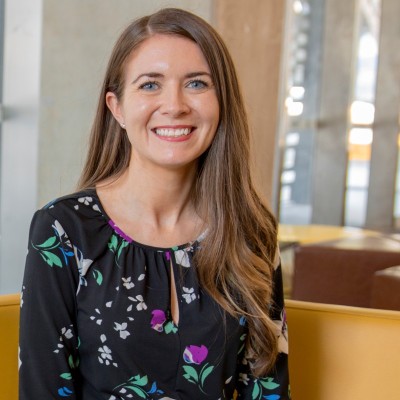 Julieanne Cutrupi
 Marilyn Mason
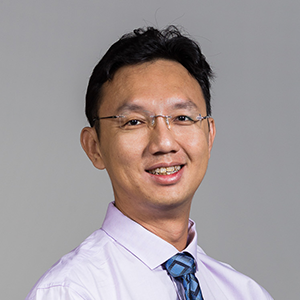 Ben Leong Wing Lup
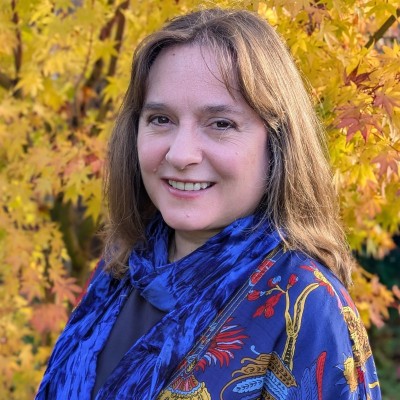 Kate Borthwick
 Igor Gaponov
Through practical case examples, the three sessions explore how institutions are redefining graduate capability, integrating AI and future-focused competencies across disciplines, and developing new models of undergraduate education designed to better prepare students for rapidly evolving industries and AI-enabled workplaces.
How AI is reshaping programming, technical problem-solving, and the future of computing education, and what this may signal for the future of university learning more broadly.
How UCL’s Robotics and Artificial Intelligence MEng is redesigning undergraduate engineering and computing education through the integration of artificial intelligence, robotics, systems thinking, and applied problem-solving. The program reflects a growing shift toward AI-integrated degree models designed to prepare students for emerging industries, intelligent systems, and increasingly AI-enabled workplaces.
This talk shares two examples of staff and student support materials from the University of Southampton. Our focus is on developing critical AI fluency throughout our programmes and working lives and on taking an overt human-centred, AI-enabled, holistic approach.
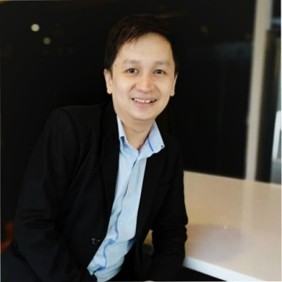 Wong Foo Hing
 Doug Pearce
 Candy Hui
 Dieter Janssen
 Sam Wong
A fast-paced rapid-fire discussion exploring the global value of the OSSD within today’s admissions landscape.
Through concise perspectives from university and admissions leaders across multiple regions, the rapid fire Q&A session examines why the OSSD continues to be recognized by leading institutions worldwide, and how its learning and assessment model aligns with the future-ready capabilities increasingly valued in higher education and the AI-driven workforce.
The discussion will also explore the growing number of international applicants presenting the OSSD globally, the importance of academic quality and student outcomes within internationally delivered curricula, and how innovative pathway partnerships are creating new opportunities for globally minded students.
This segment highlights newly established and expanded scholarship partnerships between Rosedale International Education and leading universities, alongside a showcase of past scholarship recipients. Featuring both student and university partner voices, it demonstrates how Rosedale and its higher education partners are working together to advance access, recognize student achievement, and support meaningful outcomes for OSSD students on the path to global universities.
Three rapid practical case studies exploring how institutions are redesigning teaching, learning, and assessment in response to AI. The discussion focuses on practical shifts in pedagogy, assessment, student engagement, and the learner experience as institutions adapt to the realities of AI-enabled education.
Education leaders are increasingly being asked to make decisions about AI while the evidence base is still emerging. Chris will share what we are learning about AI’s impact on teaching and learning and a framework for evaluating AI's role in K-12 education.
This short talk shows how AI literacy can be taught by actually using AI in the classroom. Starting from the premise that AI is reshaping every industry and that students need to be AI-literate for their future careers, it uses the topic of AI ethics as the vehicle for learning.
Tarsem demonstrates a practical, transferable approach: news-based trigger videos on AI-powered facial recognition (both its benefits and its real-world failures) spark debate about the pros and cons of AI in society. He then moves beyond debate by applying the PAIR framework, setting students a group task built around the problem statement "To what extent does bias in AI-powered facial recognition systems affect fairness, privacy and civil liberties in society?" Working in small groups, students create AI-assisted presentations covering their findings, their experience of interacting with AI tools, their reflections, and how to use GenAI while staying within academic integrity requirements.
Evaluation with a cohort of 25 students, comparing pre- and post-teaching responses, showed improved understanding of algorithmic bias and of how to use AI tools appropriately in their studies.
How can we help students use AI as a tool for learning without letting it do the learning for them? This lightning talk explores Rosedale’s approach to purposeful and responsible AI use through our Think–Do–Think model. We’ll share how AI is intentionally incorporated into selected assignments, alongside our AI Smart Skills mini-lesson series, to help students develop the judgment and skills to use AI effectively. From thinking critically before engaging AI, to using it purposefully, to reflecting on and evaluating its output, Think–Do–Think puts student thinking at the centre of AI-enabled learning.
 Marilyn Mason
 Leslie Chan
 Prof. Tarsem Singh Cooner
 Chris Agnew
How schools and universities must evolve to remain relevant in a rapidly changing world.
Artificial intelligence is accelerating a fundamental shift in how knowledge is created, accessed, assessed, and applied, challenging long-standing assumptions about curriculum, credentials, student pathways, institutional value, and the purpose of education itself.
As AI reshapes workforce expectations, learner behaviour, and models of knowledge creation, institutions may need to move beyond incremental innovation toward system-level transformation. What aspects of traditional education may become less relevant? What new models of learning, credentialing, and institutional delivery may emerge? And which human capabilities will become even more essential in an increasingly AI-enabled world?
Bringing together perspectives from higher education, K–12 leadership, policy, and educational transformation, this leadership discussion explores what structural shifts may be necessary for institutions to remain trusted, competitive, and future-ready in the years ahead.
 Asim Syed
 Sarah Knight
 Matthew Winters
 Kyle Jensen
From Insight to Action
GEIS 2026 closes by drawing together the throughline of the day — from the opening shift in how AI is reshaping education, through admissions, curriculum innovation, and OSSD's place in a changing global landscape, to what system-level transformation actually requires of schools and universities moving forward.
 Sara Ratner 08:00 am
08:05 am
Sara Ratner 08:00 am
08:05 am
 Alice Crichton
Gain a competitive edge in your UK university application! Tailored for high-achieving international students, this session will provide expert guidance on what top UK universities look for in applicants—from crafting a compelling UCAS personal statement to choosing the right courses and demonstrating academic readiness. Students will also learn how admissions processes in the UK differ from other countries, and how to strategically position themselves for programs in high-demand fields. This session will offer clarity on the UK admissions journey, and practical insights to help you stand out.
08:40 am
 Pacchinna Chu
08:40 am
 Peter Odell
Presented by the University of Sheffield, this workshop invites students to step into a university-style lecture led by Peter Odell, Director of Education in the School of Law. Through a mock lesson, participants will experience the pace, structure, and atmosphere of studying at Sheffield, gaining a clear sense of what learning in a law program feels like. This interactive session offers a unique opportunity to picture yourself as a university student and to see how engaging and inspiring higher education can be.
09:15 am
 Kelia Ho
Navigate the competitive admissions landscape of Hong Kong in a workshop designed to support international students considering this vibrant study destination. This session will provide an inside look at how universities in Hong Kong evaluate applications, including academic requirements, program selection, and the role of extracurricular achievements. Students will also gain practical strategies for preparing a strong application and learn what makes studying in Hong Kong unique—from its global outlook and world-class academics to the opportunities for cultural and professional growth. This workshop will equip students with the knowledge to apply to Hong Kong universities with confidence!
09:15 am
 Kate Ryan
Presented by the University of Wisconsin–Madison, this workshop introduces students to a variety of dynamic pre-college programs designed to help them explore academic interests, experience university life, and prepare for success in higher education. From residential summer programs on UW–Madison’s vibrant campus to flexible online options, students will discover opportunities that build critical thinking, leadership, and collaborative skills. Join this session to learn how engaging in these programs can help you gain confidence, expand your academic horizons, and make informed decisions about your future university pathway.
09:50 am
 Dhriti Guiliani
08:00 am
08:05 am
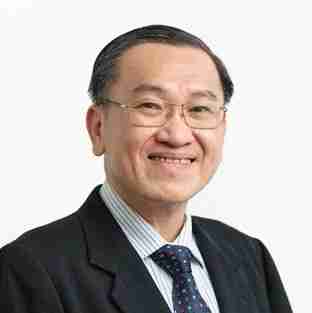 Prof. Goh Say Song
 YJ Lee
 Eng Ann Alexander Ong 08:05 am
 Kate Oyebode 08:05 am
 Caitlin Spencer 08:05 am
 Huiyun Ling 08:05 am
 Rachel Luo 08:05 am
 Stephanie Kwan 08:05 am
 Chris Lawrance 08:40 am
 John Gregory
 Maria Millan
 Ana Perez
 Phebe Joshua 08:40 am
 Caroline Breitman
 Michael Klein
 Nicole Da Silva
 Ivy Nguyen 08:40 am
 Tomoka Mano 08:40 am
 Charlie Chan
 Crystal Lui 08:40 am
 Diro Yang 08:40 am
 Tom Trower 09:15 am
 Carl Adaway
 Rachel Lam 09:15 am
 Ashley Monaghan 09:15 am
Caitlin Spencer 09:15 am
Ashley Monaghan 09:15 am
Caitlin Spencer 09:15 am
 David Venneri 09:15 am
 Tom Quante
 Daniel Bell-Moran 09:15 am
 Natasha Bijelich 09:15 am
 Jo Turner 09:50 am
 Dieter Janssen 09:50 am
 Cheryl Ramage
 Joy Kim 09:50 am
 Paige Dainty 09:50 am
 Robbie Willis
 Jamie Fraser 09:50 am
 Sunny Wang
 Rei Yang 09:50 am
John Gregory
Maria Millan
Ana Perez
Phebe Joshua 10:40 am
Rei Yang 09:50 am
John Gregory
Maria Millan
Ana Perez
Phebe Joshua 10:40 am
This is the session partner schools cannot get anywhere else. Rosedale's senior leadership presents an update on the Rosedale OSSD curriculum, LMS platform, etc, what has changed since 2026, and where the product is heading over the next 12–18 months.
 Fernando Oliveira
The session presents a first look at AI-enabled curriculum and teaching tools currently in development, framed as a partner preview rather than a polished launch. The session closes with a structured conversation about what partner schools need from Rosedale to go further.
Leslie Chan
The session shares insights from partner schools on the real, day-to-day work of delivering the Rosedale OSSD — teacher readiness, assessment practices, and how schools are supporting student success in the program. It then closes with a preview of new academic support tools Rosedale is developing for partner schools — including curriculum resources, teacher training materials, and assessment guides — and an open conversation about what partner schools need next to deliver the OSSD more effectively.
Asim Syed Samuel Bena
 May Revencho
 Shanika de Zoysa
An honest and strategic conversation about the Ontario Secondary School Diploma (OSSD), including how the program works, the opportunities it creates for students, and the key factors schools should evaluate when implementing an international curriculum. Learn why Canadian education is recognized worldwide and how schools are using the OSSD to strengthen positioning, student outcomes, and global readiness.
 Ravi Kumar
An inside look at how a school successfully implemented the Ontario Secondary School Diploma (OSSD) from scratch — navigating strategy, execution, academic alignment, and stakeholder engagement to create a globally recognized pathway that delivers meaningful outcomes for students and long-term value for the institution
Ravi Kumar
Coming Soon
A practical introduction to Rosedale’s pilot model, designed for schools that want to begin their internationalization journey through the Ontario Secondary School Diploma (OSSD) in a gradual, strategic, and sustainable way — ensuring academic alignment, operational support, and confidence throughout the decision-making process.
 Gaynor Wong
October 28, 2026 — One day. 30+ speakers. 40+ universities. Zero cost.
 Lizzie Burrows
  Sagebelle Wu
 Doug Pearce
 James Marshall
 Michael Klemm
 Jordanna Caplan Luth
 Cortney Hanna - Benson
 Rajiv Jhangiani
 Fernando Oliveira